

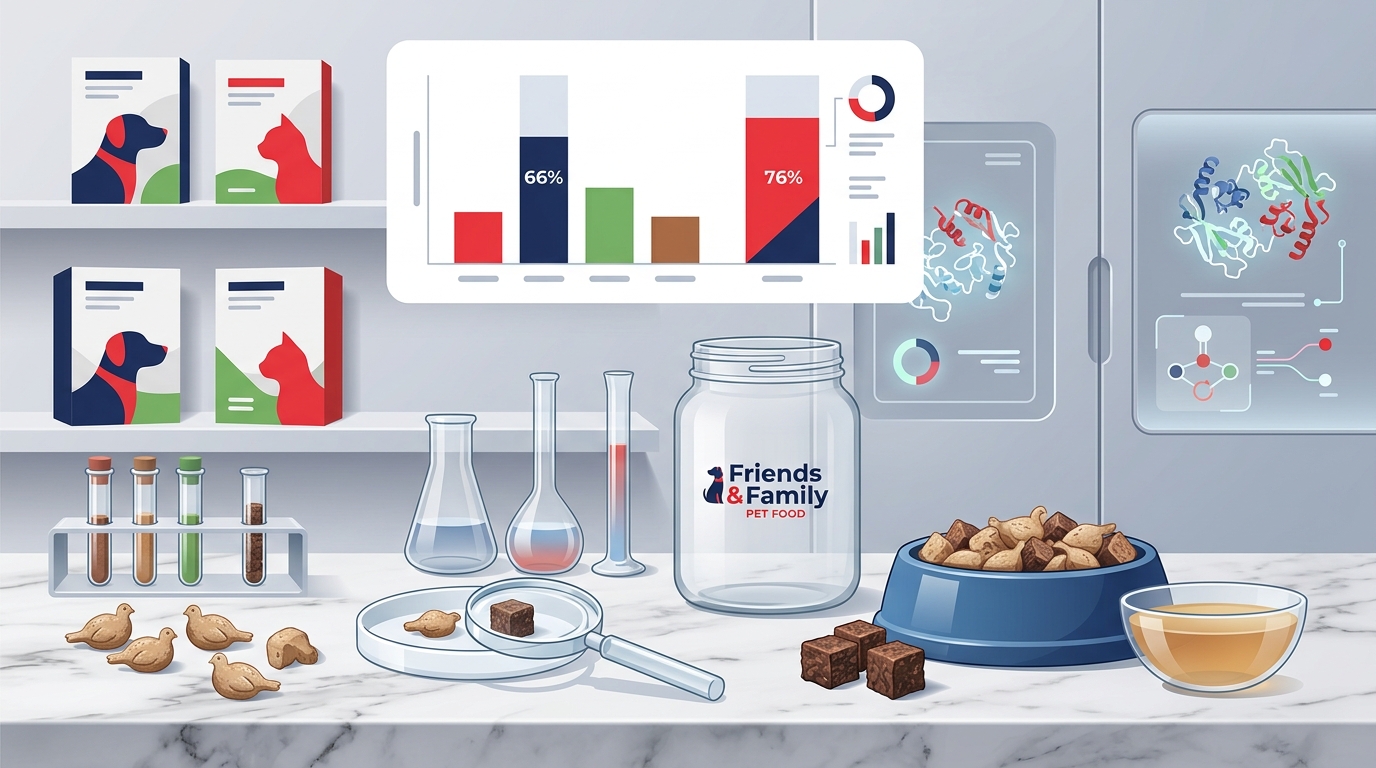
Modern pet owners increasingly seek scientifically advanced nutrition that mirrors biological precision. Cultivated meat pet treats represent a breakthrough in animal wellness by delivering laboratory-grown biological tissue without traditional slaughter. Recent industry data shows that 66 percent of these specialized formulations contain crude protein levels that far exceed conventional kibble. Furthermore, 76 percent of the total caloric output derives directly from highly bioavailable protein sources. This nutritional density supports rapid muscle recovery and sustained energy across all breed sizes.
Understanding Cultivated Meat Technology
Biological Tissue Cultivation
Cultivated meat is laboratory-grown animal tissue produced through cellular agriculture techniques. Researchers extract stem cells from a donor animal and place them in a sterile bioreactor environment. The cells multiply rapidly while receiving precise nutrient solutions that mimic natural biological development. This process eliminates the need for traditional farming infrastructure while maintaining exact genetic consistency. (Addressing challenges of)
Traditional pet food relies on mass slaughter and variable supply chains that often compromise nutritional quality. Cultivated alternatives guarantee pristine animal nutrition by growing directly from the animal. The resulting tissue contains exceptional consistency and quality across every single batch. Pet owners receive highly digestible protein that supports efficient nutrient utilization without digestive stress.
Difference From Plant-Based Alternatives
Plant-based pet food is a nutritional category that utilizes isolated vegetable proteins and synthetic binders to approximate meat textures. These formulations frequently lack complete amino acid profiles required for feline metabolism. Cultivated meat treats bypass these limitations by delivering actual animal tissue at the cellular level. Cats and dogs receive biologically identical nutrients that trigger natural digestive enzymes.
Regulatory agencies worldwide are currently evaluating cellular agriculture frameworks to ensure consumer safety. The United States Department of Agriculture and the Food and Drug Administration jointly oversee production standards. Singapore has recently approved commercial distribution for specific cellular products. These regulatory milestones establish clear safety protocols for pet consumption.
Safety Standards and Regulatory Frameworks
Cellular Agriculture Compliance
Cellular agriculture is a manufacturing process that grows animal tissue in sterile bioreactors without traditional slaughter. Manufacturers must demonstrate that bioreactor conditions prevent bacterial contamination and genetic drift. Independent laboratories verify that final products contain zero antibiotics or growth hormones. This compliance framework ensures that every treat meets strict veterinary standards.
Recent clinical studies indicate that cellular agriculture products support targeted health outcomes without adverse reactions. Veterinary nutritionists confirm that cultivated tissue matches conventional meat in digestibility and palatability. Pet owners report visible improvements in coat shine and digestive regularity within three weeks. These observable benefits validate the scientific investment in cellular agriculture.
Product Line Breakdown and Functional Benefits
Oral Health Formulations
Dental care treats utilize clinically studied bioactives that actively reduce periodontal disease markers. Research demonstrates that specific cultivated formulations decrease P. cangingivalis bacteria in the oral cavity. This targeted reduction prevents gum inflammation and supports long-term dental health. Pet owners consistently report fresher breath within seven to ten days of daily use.
Dermatological and Digestive Support
Skin and coat formulations address persistent itching and dull fur by targeting gut health rather than surface symptoms. The high protein content supports keratin production and reduces inflammatory responses. Digestive formulations incorporate carefully selected ingredients that optimize nutrient absorption. These functional treats deliver measurable wellness outcomes across multiple biological systems.
Pricing Models and Subscription Tiers
Commercial cultivated meat treats currently retail at a standardized price point of fourteen dollars per bag. This pricing structure reflects the specialized bioreactor production costs and rigorous quality control measures. Subscription programs typically offer discounted rates for recurring deliveries. Bulk purchasing options remain available for multi-pet households seeking long-term nutritional consistency.
Environmental Impact and Sustainability Metrics
Resource Efficiency and Carbon Reduction
Traditional meat production generates substantial greenhouse gas emissions and requires extensive land and water resources. Cellular agriculture reduces environmental footprints by eliminating pasture land and feed crop cultivation. Production facilities utilize closed-loop water systems and renewable energy sources. These operational efficiencies align with modern sustainability benchmarks for pet product manufacturing.
Industry projections indicate that cellular agriculture will capture a significant market share within the next decade. Consumer demand for ethical and scientifically advanced pet nutrition continues to accelerate. Early adopters report higher satisfaction rates compared to conventional treat alternatives. This market shift validates the long-term viability of cultivated protein solutions.
Comparative Product Options
| Product Variant | Target Species | Primary Benefit | Price Point | Availability |
|---|---|---|---|---|
| Cultivated Game Bird – Teeth & Gum Care | Cats | Periodontal disease reduction | $14.00 SGD | In Stock |
| Cultivated Game Bird – Skin & Coat Glow | Cats | Gut-targeted dermatological support | $14.00 SGD | In Stock |
| Cultivated Game Bird – Teeth & Gum Care | Dogs | Long-term oral health maintenance | $14.00 SGD | In Stock |
| Cultivated Game Bird – Skin & Coat Glow | Dogs | Coat shine and digestive optimization | $14.00 SGD | In Stock |
Key Takeaways
- Cultivated meat pet treats deliver 66 percent crude protein with 76 percent of calories derived directly from protein.
- Cellular agriculture eliminates traditional slaughter while maintaining exact genetic consistency across production batches.
- Regulatory frameworks in Singapore and the United States now approve commercial distribution for specific cellular products.
- Teeth and gum formulations clinically reduce P. cangingivalis bacteria to prevent periodontal disease progression.
- Skin and coat variants target gut health to resolve persistent itching and dull fur symptoms.
- Standard retail pricing remains fixed at fourteen dollars per bag with subscription discounts available.
- Environmental impact metrics demonstrate substantial reductions in land use and greenhouse gas emissions.
Frequently Asked Questions
Is cultivated meat safe for cats and dogs?
Yes, cultivated meat undergoes rigorous pathogen testing and nutritional analysis before commercial release. Independent laboratories verify that final products contain zero antibiotics or growth hormones. Veterinary nutritionists confirm that cultivated tissue matches conventional meat in digestibility and palatability.
How does cultivated meat differ from plant-based pet food?
Plant-based pet foods utilize isolated vegetable proteins and synthetic binders to approximate meat textures. These formulations frequently lack complete amino acid profiles required for feline metabolism. Cultivated meat treats bypass these limitations by delivering actual animal tissue at the cellular level.
What are the primary health benefits of these treats?
Dental formulations clinically reduce periodontal disease markers while supporting long-term oral health. Dermatological variants target gut health to resolve persistent itching and dull fur symptoms. Digestive formulations incorporate carefully selected ingredients that optimize nutrient absorption across all breed sizes.
How long does it take to see visible results?
Pet owners consistently report fresher breath within seven to ten days of daily use. Visible improvements in coat shine and digestive regularity typically appear within three weeks. These observable benefits validate the scientific investment in cellular agriculture formulations.
Are cultivated meat treats regulated by government agencies?
Regulatory agencies worldwide are currently evaluating cellular agriculture frameworks to ensure consumer safety. The United States Department of Agriculture and the Food and Drug Administration jointly oversee production standards. Singapore has recently approved commercial distribution for specific cellular agriculture products.
What is the standard pricing structure for these products?
Commercial cultivated meat treats currently retail at a standardized price point of fourteen dollars per bag. This pricing structure reflects the specialized bioreactor production costs and rigorous quality control measures. Subscription programs typically offer discounted rates for recurring deliveries.
Can multi-pet households purchase these treats in bulk?
Bulk purchasing options remain available for multi-pet households seeking long-term nutritional consistency. Standard retail pricing remains fixed at fourteen dollars per bag with subscription discounts available. Early adopters report higher satisfaction rates compared to conventional treat alternatives.
How do these treats impact the environment?
Traditional meat production generates substantial greenhouse gas emissions and requires extensive land and water resources. Cellular agriculture reduces environmental footprints by eliminating pasture land and feed crop cultivation. Production facilities utilize closed-loop water systems and renewable energy sources.
Ready to Upgrade Your Pet Nutrition?
Transition your pets to scientifically advanced cellular agriculture today. Visit our main store to explore the complete product lineup and secure your first order. Shop cultivated meat treats now and experience the future of pet wellness.