
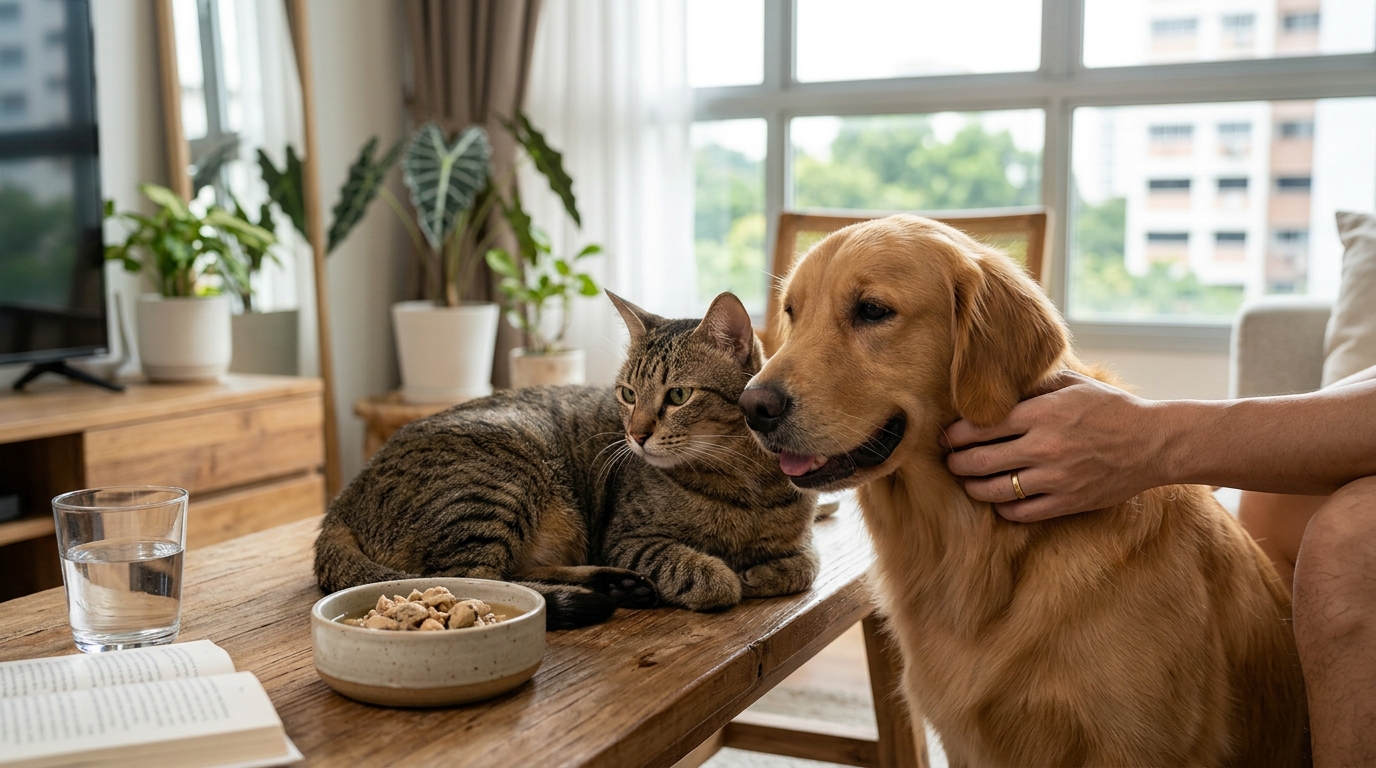
Digestive issues are one of the most common reasons pet owners visit the vet, yet many solutions start at home with simple dietary changes. From choosing nutrient-dense proteins to adding prebiotics, probiotics, and postbiotics, you can support your cat's or dog's gut health without relying on medications. A balanced gut microbiome is linked to better digestion, fewer allergies, stronger immunity, and even improved skin and coat condition. In this guide, we walk through practical, evidence-backed steps to naturally boost your pet's digestive wellness and help them thrive from the inside out.
Understanding Your Pet's Gut Health
Your pet's digestive system is home to trillions of microorganisms, including bacteria, fungi, and other microbes that collectively form the gut microbiome. The gut microbiome is the complex community of microorganisms living in your pet's digestive tract that influences digestion, immunity, and overall well-being.
When this microbial community is balanced, nutrients are absorbed efficiently, the immune system functions properly, and inflammation stays in check. When it falls out of balance, problems such as diarrhea, gas, food sensitivities, and even skin issues can follow. Understanding how the gut works is the first step toward improving it naturally.
Signs of Poor Digestion in Cats and Dogs
Not every digestive issue is obvious. While vomiting and diarrhea are clear signals, subtler signs often go unnoticed. Watch for these indicators:
- Loose or unusually smelly stools
- Excessive gas or bloating
- Decreased appetite or food refusal
- Dull coat or flaky skin
- Lethargy after meals
- Frequent scratching (which can be gut-related)
If you notice persistent symptoms, consult your veterinarian. However, many mild cases respond well to the dietary strategies outlined below.
Start With High-Quality, Digestible Protein
Protein quality matters more than quantity when it comes to digestion. Highly digestible proteins reduce the workload on your pet's gut and improve nutrient absorption. Conventional factory-farmed poultry can contain antibiotics, hormones, and additives that may stress the digestive system over time.
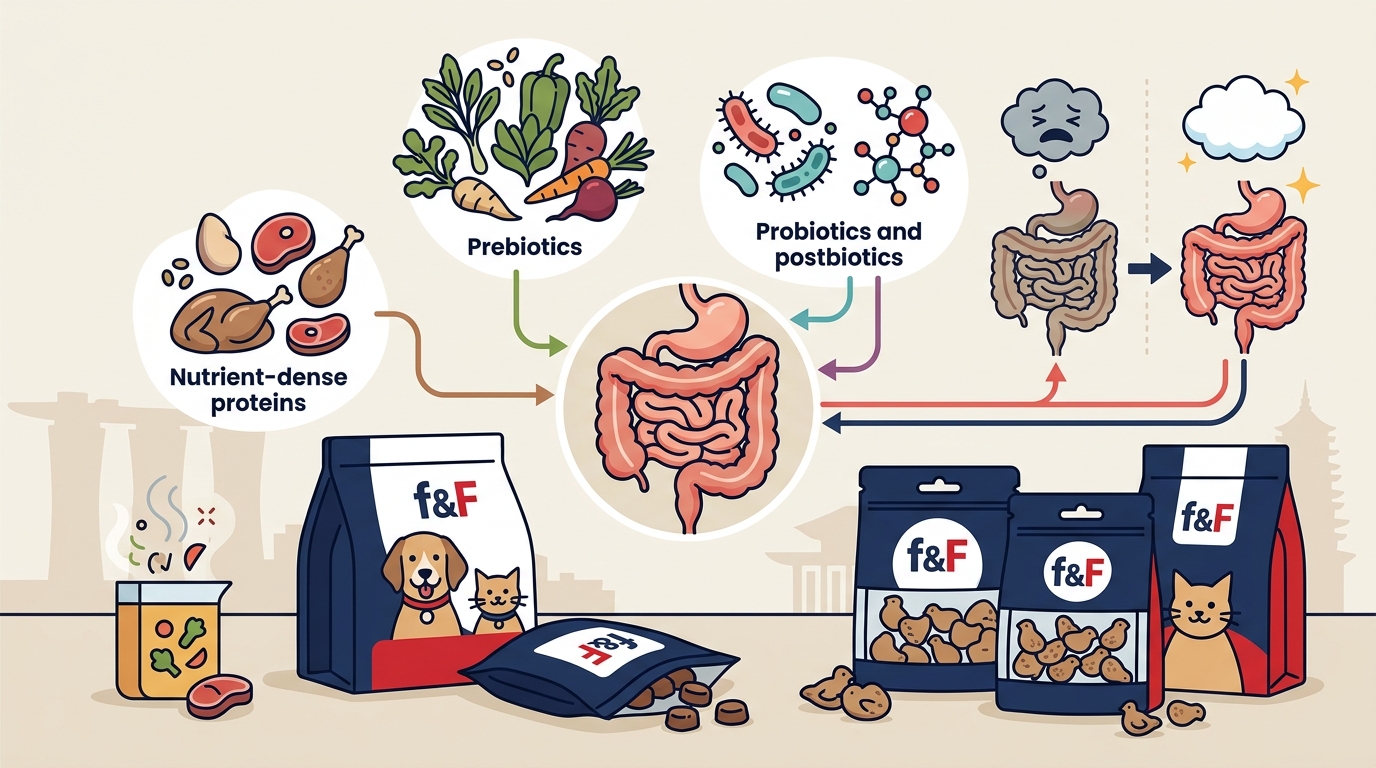
Why Cultivated Meat Is Different
Cultivated meat is real animal protein grown from cells in a controlled environment, free from antibiotics, hormones, and contaminants. Friends & Family Pet Food optimizes its cultivated meat to deliver higher levels of nutrients like taurine and Omega-3s while improving digestibility and nutrient absorption. Their freeze-dried cultivated treats use human-grade cultivated poultry as the primary ingredient, making them a clean protein source for sensitive stomachs.
Lean Proteins and Heritage Inspiration
The Friends & Family product line draws inspiration from heritage Kampong birds of Southeast Asia. These free-range village birds produce leaner meat with higher protein content and richer levels of iron, zinc, vitamin B12, and selenium compared to conventional poultry. Choosing lean, nutrient-dense proteins gives your pet's digestive system less fat to process and more bioavailable nutrition per bite.
The Three Biotics: Prebiotics, Probiotics, and Postbiotics
Supporting your pet's digestion naturally often comes down to three key players that work together in a cycle.
Prebiotics
Prebiotics are non-digestible fibers that feed the beneficial bacteria already living in your pet's gut. Good sources include fibrous vegetables like broccoli, green beans, and leafy greens. Many premium pet foods now include prebiotic fibers specifically chosen to optimize gut health and immunity.
Probiotics
Probiotics are live beneficial microorganisms that, when given in the right amounts, actively support gut health. Common strains for pets include Lactobacillus acidophilus, Bifidobacterium animalis, and Enterococcus faecium. Look for treats and supplements that incorporate these strains. The Kampong Select cultivated snacks from Friends & Family, for example, are a freeze-dried blend of cultivated poultry with prebiotics and probiotics built right in.
Postbiotics
Postbiotics are the beneficial byproducts that probiotics produce after they digest prebiotics. These include short-chain fatty acids (SCFAs), enzymes, and peptides that help maintain a healthy gut environment. Unlike live probiotics, postbiotics are non-living and highly stable, meaning they retain effectiveness even after processing. According to research cited by AnimalBiome, fermentation-derived postbiotics can positively shift gut microbiota, elevate immune capacity, and decrease inflammation in dogs. Friends & Family Pet Food includes clinically validated postbiotics in its products to support skin, coat, and oral health.
| Feature | Prebiotics | Probiotics | Postbiotics |
|---|---|---|---|
| What they are | Non-digestible fibers | Live beneficial bacteria | Metabolic byproducts of probiotics |
| Function | Feed good bacteria | Colonize the gut | Strengthen gut barrier and immunity |
| Stability | High | Sensitive to heat and storage | Very high (non-living) |
| Sources | Vegetables, fiber supplements | Fermented foods, supplements | Fermented ingredients, validated supplements |
| Best for | Maintaining microbiome diversity | Restoring gut balance | Sensitive stomachs, shelf-stable products |
Hydration and Bone Broths for Gut Support
Adequate hydration is essential for healthy digestion. Water helps move food through the digestive tract and supports the mucous lining of the intestines. Many pets, especially cats, do not drink enough water on their own.
Adding a nutrient-rich broth to your pet's meals is one of the simplest ways to increase fluid intake while delivering gut-supporting nutrients. Friends & Family Pet Food offers broths formulated with postbiotics that support both hydration and digestive wellness. Bone broths also provide collagen and amino acids like glycine and glutamine, which help repair and maintain the intestinal lining.
Lifestyle Factors That Aid Digestion
Diet is the foundation, but lifestyle choices also play a significant role in your pet's digestive health.
- Regular exercise: Physical activity stimulates intestinal motility. Even a daily 20-minute walk can improve regularity in dogs. According to AnimalBiome, getting outdoors in nature also exposes pets to diverse environmental microbes that benefit gut health.
- Consistent feeding schedule: Feeding at the same times each day trains your pet's digestive system and reduces stress-related gut disruption.
- Stress reduction: Diet changes, antibiotics, stress, and illness can all disrupt microbiome balance. Minimizing sudden changes and providing a calm eating environment helps maintain stability.
- Slow feeding: Pets that eat too fast swallow excess air, leading to bloating and gas. Puzzle feeders or slow-feed bowls can help.
Key Takeaways
- A balanced gut microbiome supports digestion, immunity, skin health, and overall vitality in pets.
- High-quality, digestible protein reduces gut stress. Cultivated meat offers a clean, antibiotic-free option.
- Prebiotics feed good bacteria, probiotics add good bacteria, and postbiotics deliver their stable, beneficial byproducts.
- Postbiotics are especially valuable because they are non-living and shelf-stable, making them ideal for pet food formulations.
- Hydration is critical. Broths with postbiotics are an easy way to boost fluid intake and gut support simultaneously.
- Lifestyle factors like exercise, consistent feeding times, and stress reduction complement dietary improvements.
- Friends & Family Pet Food combines cultivated protein with clinically validated postbiotics for a science-backed approach to pet nutrition.
Frequently Asked Questions
What are postbiotics for pets?
Postbiotics are the health-boosting byproducts that probiotics produce after digesting prebiotics. They include short-chain fatty acids, enzymes, and peptides that support gut barrier function and reduce inflammation. Because they are non-living, postbiotics are more stable than probiotics and easier to incorporate into shelf-stable pet foods and treats.
How do I know if my pet has digestive issues?
Common signs include loose stools, excessive gas, vomiting, decreased appetite, and dull coat or skin problems. Persistent symptoms warrant a veterinary visit. Mild or occasional issues often improve with dietary adjustments like adding prebiotics and choosing more digestible protein sources.
Is cultivated meat safe for cats and dogs?
Yes. Cultivated meat is real animal protein produced in a controlled setting without antibiotics or hormones. Friends & Family Pet Food received regulatory approval from Singapore's Animal & Veterinary Services (AVS) to sell cultivated meat pet food, making it the first cultivated meat pet food approved for sale in Asia.
Can I give my pet human probiotics?
It is best to use probiotic strains formulated specifically for pets, such as Enterococcus faecium or Lactobacillus acidophilus. Human formulations may contain strains or dosages that are not appropriate for animals. Always consult your vet before introducing new supplements.
How much water should my pet drink daily?
As a general guideline, dogs need about one ounce of water per pound of body weight per day. Cats typically need 3.5 to 4.5 ounces per 5 pounds of body weight. Adding broth to meals can help pets that are reluctant drinkers meet their hydration needs.
Do freeze-dried treats retain nutritional value?
Freeze-drying preserves most nutrients, enzymes, and flavor because it removes moisture at low temperatures rather than using high heat. This makes freeze-dried treats an excellent vehicle for delivering prebiotics, probiotics, and postbiotics without degrading their effectiveness.
How long does it take to see digestive improvements?
Most pet owners notice improvements in stool quality and energy levels within two to four weeks of making dietary changes. However, full microbiome rebalancing can take several months. Consistency with feeding and supplementation is key.
Give Your Pet's Gut the Upgrade It Deserves
Ready to support your pet's digestion with clean, cultivated protein and clinically validated postbiotics? Explore the full range of Friends & Family Pet Food treats and broths and discover what better nutrition looks like for your cat or dog.