
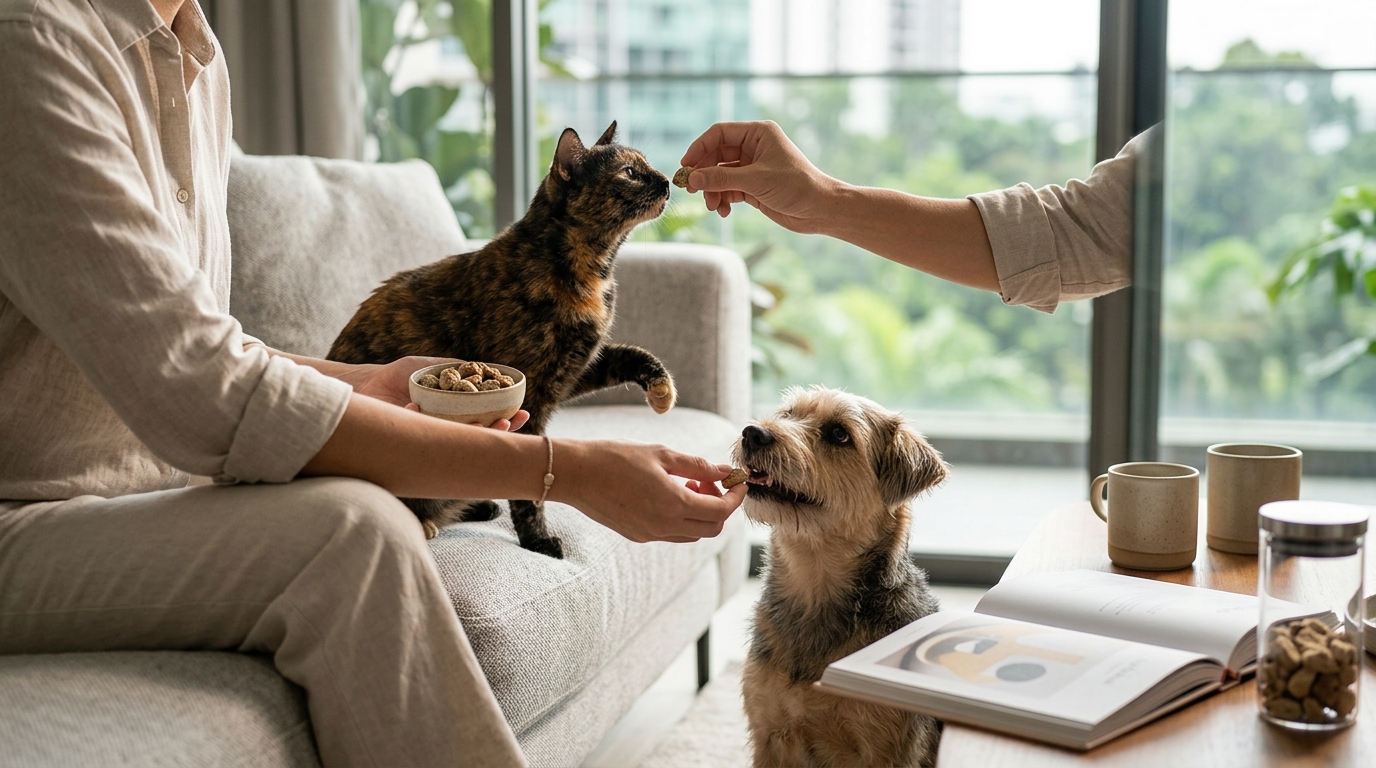
Pet parents everywhere are rethinking how they feed their cats and dogs. Cultivated meat is real animal protein grown from cells rather than raised on factory farms, and it is quickly becoming a viable option for pet treats and toppers. From superior nutrition and fewer contaminants to a dramatically smaller environmental footprint, cultivated treats offer measurable advantages over conventional alternatives. This guide breaks down every major benefit so you can decide whether cultivated treats belong in your pet's routine.
What Is Cultivated Meat for Pets?
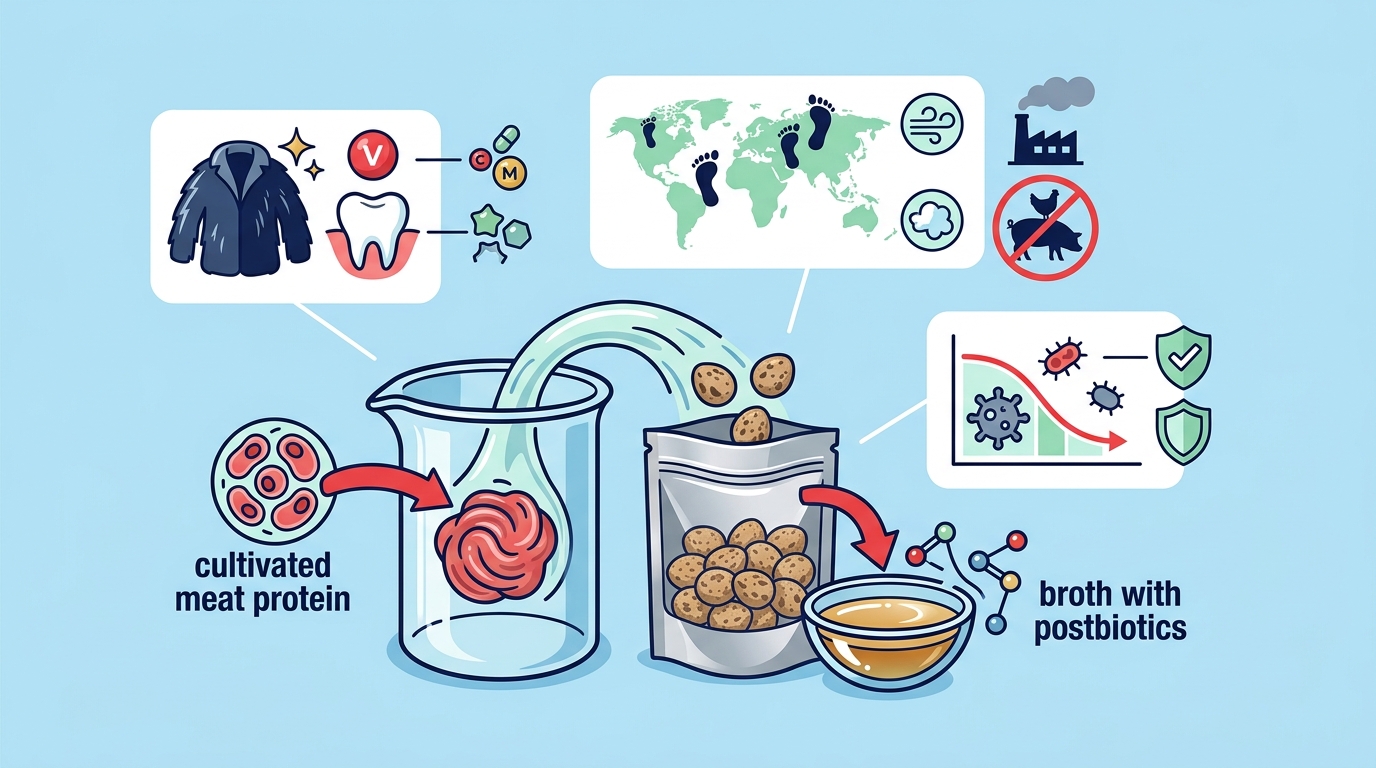
Cultivated meat is an alternative protein source developed to address the sustainability, public health, and animal welfare concerns of conventional meat production. Instead of raising and slaughtering livestock, producers take a small cell sample from a living animal and grow real animal tissue in bioreactors under controlled, sterile conditions. The result is genuine meat with the same amino acid profiles pets need.
Companies like Friends & Family Pet Food use cells from pharaoh quail to produce human-grade cultivated poultry. Their freeze-dried treats contain cultivated meat as the first ingredient and deliver upwards of 67% protein with high bioavailability.
Nutritional Benefits
Optimized Nutrient Profiles
One of the biggest advantages of cultivated meat is the ability to engineer the protein itself. Friends & Family optimizes its cultivated quail treats for higher levels of taurine and Omega-3s while improving digestibility and nutrient absorption. Conventional factory-farmed poultry simply cannot be tuned at the cellular level this way.
Higher Protein, Fewer Fillers
Heritage Kampong-inspired formulations deliver lean meat that is rich in iron, zinc, vitamin B12, and selenium. Unlike many mass-market treats padded with grains and by-products, cultivated treats can keep meat content at 99%, with just a small addition of functional ingredients.
Better Bioavailability
Bioavailability is the degree to which nutrients are absorbed and used by the body. Because cultivated meat is produced fresh, without heavy processing, it preserves the amino acids and nucleotides that cats and dogs rely on for energy, tissue repair, and immune function.
Functional Ingredients: Postbiotics and Prebiotics
A postbiotic is a functional bioactive compound generated during fermentation that can promote health. Friends & Family pairs cultivated meat with clinically validated postbiotics targeting real pet health problems like periodontal disease, skin irritation, and digestive issues.
Their Teeth & Gum Care line uses a postbiotic proven to adjust the mouth's microbiome and reduce the bacteria that cause bad breath, while the Skin & Coat Glow range combines postbiotics and nutritional yeast for coat health. A separate Digestive Balance formula adds prebiotic yeast blends to support gut flora. These are not generic supplements; they are research-backed functional ingredients integrated directly into each treat.
Food Safety Advantages
Conventional pet food supply chains carry risks including antibiotic residues, hormones, and contaminants such as ethoxyquin in fish-based products. Cultivated meat sidesteps many of these hazards. According to a 2025 review in UK Vet Companion Animal, cultivated meat-based pet food would significantly decrease the risk of spreading food safety pathogens, zoonotic diseases, and resistant bacteria.
The antibiotic-free manufacturing process and aseptic bioreactor conditions eliminate the need for chlorine washes, growth hormones, or preservatives that are commonplace in factory farming. For pet parents concerned about what goes into their animal's food, this is a meaningful upgrade.
Environmental Impact
The environmental case for cultivated treats is strong. Research cited by Friends & Family estimates cultivated meat pet treats produce roughly 90% fewer greenhouse gas emissions per unit compared to conventional beef-based treats. Production also requires up to 90% less land and 78 to 96% less water than traditional livestock farming.
A 2025 paper in Frontiers in Sustainable Food Systems confirmed that ingredient selection drives at least 70% of a pet food's total environmental impact, making the protein source the single most important lever for reducing your pet's ecological pawprint. Peer-reviewed research from GFI Europe supports figures of up to 92% lower climate emissions and 94% less air pollution compared to conventional beef.
Animal Welfare
Cultivated meat begins with a small, harmless cell biopsy rather than slaughter. After the initial sample, no further animal products are used in production. This approach eliminates the factory-farming cycle entirely, sparing billions of animals from the conditions documented across global livestock operations.
For ethically minded pet owners, cultivated treats resolve the so-called "vegetarian's dilemma," in which owners who reduce their own meat consumption still need to feed species-appropriate protein to obligate carnivores like cats. A PLOS One survey found that 81.4% of respondents willing to eat cultivated meat themselves were also willing to feed it to their companion animals.
Cultivated vs. Conventional Treats at a Glance
| Factor | Cultivated Treats | Conventional Treats |
|---|---|---|
| Protein content | Up to 99% meat, 67%+ protein | Varies widely; often includes fillers |
| Antibiotics / Hormones | None | Common in factory-farmed sourcing |
| Greenhouse gas emissions | ~90% lower than beef-based treats | High, especially beef and lamb |
| Land use | Up to 90% less | Extensive grazing and feed crops |
| Water use | 78-96% less | High across livestock operations |
| Pathogen risk | Minimal (aseptic production) | Higher (slaughter, transport, storage) |
| Functional additions | Postbiotics, prebiotics integrated | Rarely includes validated biotics |
| Animal welfare | No slaughter required | Factory farming standard |
Key Takeaways
- Cultivated meat is real animal protein grown from cells, not a plant-based substitute.
- Treats can be optimized at the cellular level for higher taurine, Omega-3s, and better digestibility.
- Clinically validated postbiotics in cultivated treats target periodontal disease, skin health, and gut balance.
- Aseptic bioreactor production eliminates antibiotics, hormones, and common food safety pathogens.
- Environmental savings reach up to 90% reductions in emissions, land use, and water consumption.
- Over 81% of consumers open to cultivated meat for themselves would also feed it to their pets.
- Friends & Family Pet Food is the first company to sell cultivated pet food commercially in Asia, with regulatory approval from Singapore's AVS.
Frequently Asked Questions
What is cultivated meat in pet food?
Cultivated meat is real animal tissue produced by growing cells from a small, harmless biopsy in a bioreactor. It contains the same proteins, fats, and amino acids as conventionally farmed meat but is made without raising or slaughtering animals.
Is cultivated meat safe for cats and dogs?
Yes. Cultivated meat is produced under sterile, controlled conditions free of antibiotics and hormones. In principle, it can be both safe for long-term consumption and nutritionally adequate, with potential for nutritional enhancement beyond conventional meat.
Are cultivated treats better than regular pet treats?
Cultivated treats offer several measurable advantages: higher and more consistent protein content, no antibiotic or hormone residues, lower pathogen risk, and the ability to add functional ingredients like postbiotics. They also carry a significantly smaller environmental footprint.
What are postbiotics in pet treats?
Postbiotics are beneficial bioactive compounds produced during fermentation. In pet treats, they can support oral health by adjusting the mouth's microbiome, improve skin and coat condition, and boost digestive wellness. Unlike live probiotics, postbiotics remain stable through processing.
Where can I buy cultivated treats for my pet?
Friends & Family Pet Food sells cultivated quail treats for cats and dogs in Singapore through its online store and retail partner Vanillapup Pet Supplies. The company plans to expand across Asia and into additional markets.
Do cultivated treats help the environment?
Significantly. Research estimates roughly 90% fewer greenhouse gas emissions, up to 90% less land use, and 78 to 96% less water consumption compared to conventional beef-based pet treats.
Will my cat actually eat cultivated treats?
Friends & Family reports an 82% acceptance rate among pets who sampled the treats at the Singapore Pet Expo 2025. The cultivated quail preserves the amino acids and nucleotides cats prefer, resulting in strong palatability.
Is cultivated pet food regulated?
Yes. Friends & Family Pet Food received regulatory approval from Singapore's Animal & Veterinary Services (AVS) in June 2025, making it the first cultivated meat pet food approved for sale in Asia.
Try Cultivated Treats for Your Cat or Dog
Ready to give your pet a protein upgrade? Explore the full range of freeze-dried cultivated quail treats with functional postbiotics at Friends & Family Pet Food. Whether you are shopping for a cat or a dog, every treat is formulated to deliver real nutritional benefits and a smaller pawprint.