
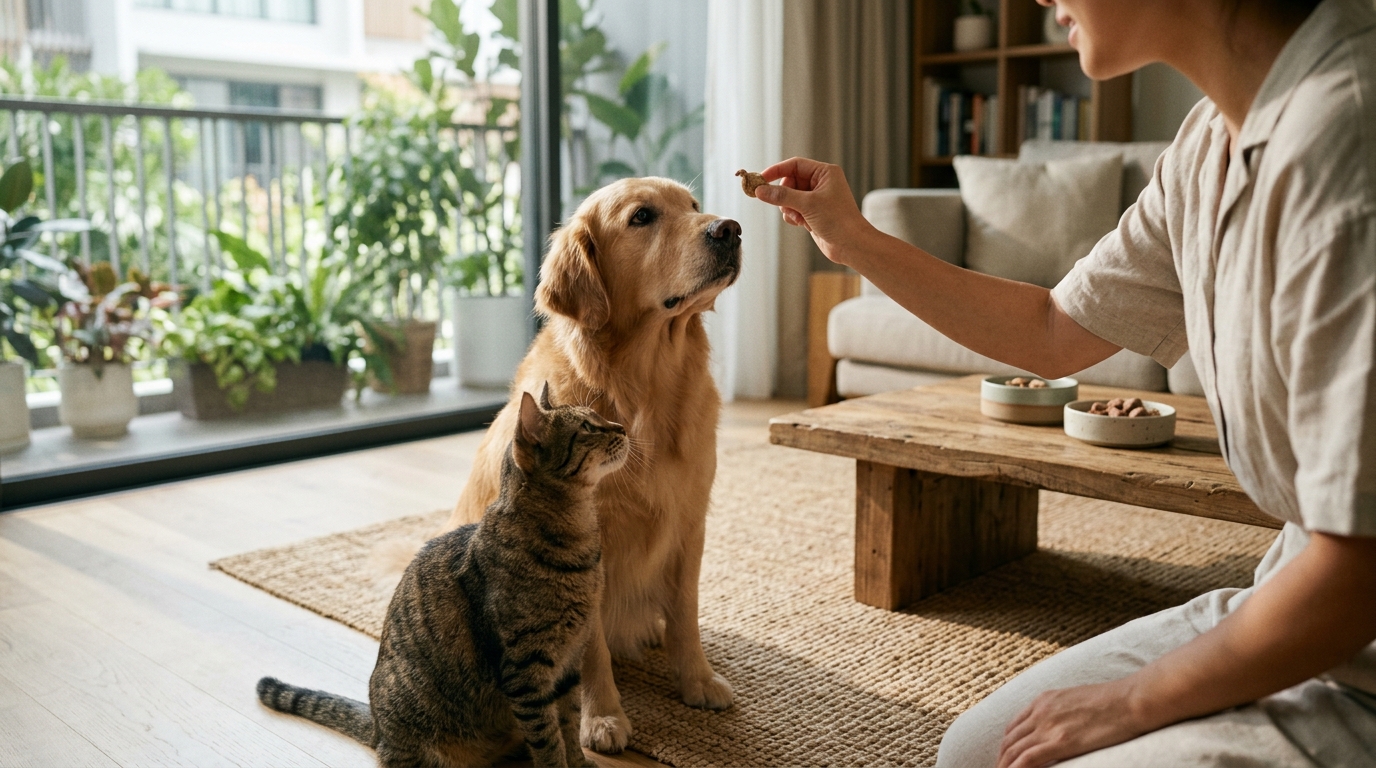
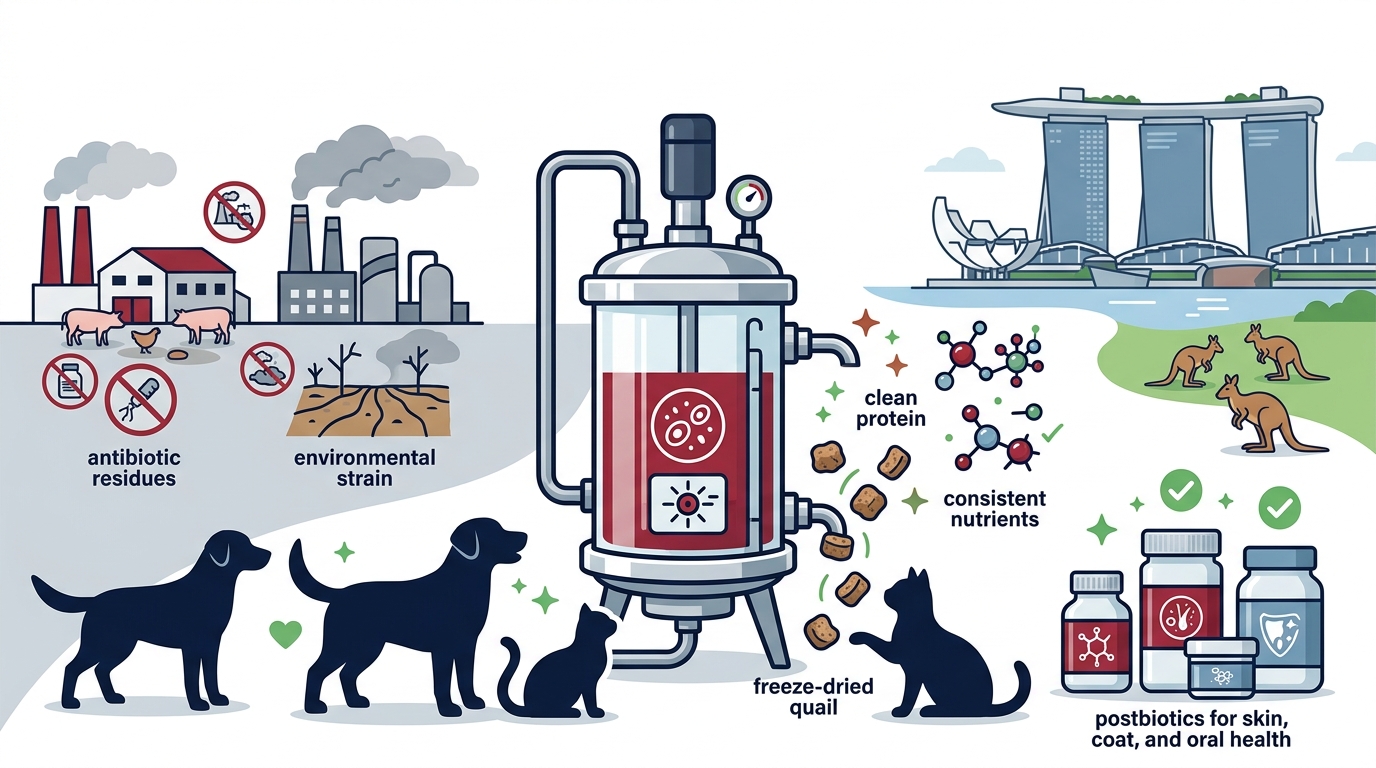
Pet owners everywhere want the best nutrition for their cats and dogs, but conventional pet treats come with hidden trade-offs: environmental strain, antibiotic residues, and inconsistent nutrient profiles. Cultivated meat is a new category of real animal protein grown from cells rather than raised on factory farms. It promises the taste and nutrition pets need with dramatically lower environmental impact. In this guide, we break down the key benefits of cultivated treats, from superior nutrition and food safety to sustainability and animal welfare, so you can make an informed choice for your furry family members.
What Is Cultivated Meat for Pets?
Cultivated meat is real animal protein produced by growing animal cells in a controlled bioreactor environment, without raising or slaughtering livestock. Unlike plant-based alternatives, cultivated meat delivers the same amino acid profiles and palatability that cats and dogs instinctively crave.
The process begins with a small cell sample, often taken from an egg or a living animal just once. Those cells are then nurtured with vitamins, minerals, and amino acids in carefully controlled conditions. The result is genuine animal tissue that can be freeze-dried into treats or incorporated into broths and wet food.
Superior Nutritional Benefits
One of the biggest advantages of cultivated treats is the ability to optimize the protein at the cellular level. Friends & Family Pet Food explains that cultivated meat can be engineered to contain higher levels of critical nutrients like taurine and Omega-3 fatty acids, along with improved digestibility and nutrient absorption.
Tailored Nutrient Profiles
Conventional factory-farmed poultry offers a fixed nutrient profile determined by the animal's diet and genetics. Cultivated meat flips this model. Producers can adjust the growth media to increase specific vitamins and minerals, creating a protein source that is nutritionally superior by design.
Prebiotics and Postbiotics for Gut and Skin Health
Leading cultivated treat brands now incorporate clinically validated postbiotics alongside prebiotics. For example, Kampong Select freeze-dried cultivated snacks pair 99% human-grade cultivated poultry with prebiotic fibers proven to support gut health and immunity. These functional ingredients benefit skin, coat, and oral health in ways standard treats simply cannot match.
Dramatically Lower Environmental Impact
The environmental case for cultivated pet treats is compelling. According to peer-reviewed research cited by GFI Europe, cultivated meat could cause up to 92% fewer climate emissions, reduce air pollution by up to 94%, and use up to 90% less land than conventional beef.
Water and Land Savings
Friends & Family's own sustainability estimates indicate cultivated meat pet treats produce roughly 90% fewer greenhouse gas emissions per unit compared to conventional beef-based treats, while requiring up to 96% less water and 90% less land than traditional livestock farming.
A life-cycle assessment of cultivated pet food found at least 84% fewer emissions than beef, with land use reduced by up to 97%. These are not marginal gains; they represent a fundamental shift in the sustainability of pet nutrition.
Improved Food Safety and Purity
Food safety is a category where cultivated treats offer a clear structural advantage. Cellular agriculture is the process of producing agricultural products from cell cultures rather than whole organisms. Because cultivated meat is produced in sterile bioreactor environments, it significantly reduces the risk of food safety pathogens, zoonotic diseases, and antibiotic-resistant bacteria, as noted in a UK Vet Companion Animal review.
Friends & Family's treats are made without antibiotics, hormones, chlorine, or any of the additives commonplace in modern factory farming. Many conventional fish-based pet foods contain ethoxyquin, a preservative with no labeling requirement. Cultivated treats sidestep these concerns entirely.
Animal Welfare Advantages
Animal welfare is a core motivation for many pet owners exploring cultivated options. Conventional pet food relies on factory-farmed animals that endure intensive confinement. Cultivated meat requires only a single, painless cell sample to produce protein indefinitely, eliminating the cycle of breeding, confinement, and slaughter.
Research published in PLOS ONE found that few survey respondents perceived cultivated meat production as harmful to animals or the environment, suggesting growing consumer confidence in the ethics of this approach.
Regulatory Milestones and Market Readiness
Cultivated pet food is no longer theoretical. In July 2025, Friends & Family Pet Food received regulatory approval from Singapore's Animal & Veterinary Services (AVS) to commercially sell cultivated meat-based pet food, becoming the first cultivated meat pet food approved for sale in Asia.
The company launched with eight SKUs of freeze-dried treats for cats and dogs, all manufactured locally in Singapore, with plans to expand across Asia and to the United States. This milestone follows the UK's approval of cultivated meat for pet food, signaling a global regulatory trend toward acceptance.
Cultivated vs. Conventional Treats: A Side-by-Side Comparison
| Factor | Cultivated Treats | Conventional Treats |
|---|---|---|
| Protein Source | Real animal cells grown in bioreactors | Factory-farmed livestock |
| Greenhouse Gas Emissions | Up to 92% lower than beef | High, linked to livestock agriculture |
| Land Use | Up to 90-97% less | Extensive grazing and feed crops |
| Antibiotics / Hormones | None | Commonly used in farming |
| Nutrient Customization | Optimizable (taurine, Omega-3s, minerals) | Fixed by animal diet and genetics |
| Pathogen Risk | Minimal (sterile production) | Higher (zoonotic and bacterial risks) |
| Animal Welfare Impact | No slaughter required | Relies on industrial animal farming |
Key Takeaways
- Cultivated meat is real animal protein grown from cells, delivering the nutrition cats and dogs need without factory farming.
- Producers can optimize cultivated protein for higher taurine, Omega-3s, and improved digestibility compared to conventional meat.
- Cultivated treats generate up to 92% fewer greenhouse gas emissions and use up to 97% less land than beef-based alternatives.
- Sterile bioreactor production eliminates antibiotics, hormones, and reduces pathogen risk significantly.
- Friends & Family Pet Food is the first cultivated meat pet food company approved for sale in Asia, launching in Singapore.
- Functional ingredients like postbiotics and prebiotics in cultivated treats support skin, coat, gut, and oral health.
- Regulatory approvals in Singapore and the UK signal growing global acceptance of cultivated pet food.
Frequently Asked Questions
What is cultivated meat pet food?
Cultivated meat pet food is real animal protein produced by growing animal cells in a bioreactor, rather than raising and slaughtering livestock. It delivers the same taste and amino acid profiles pets need.
Is cultivated meat safe for cats and dogs?
Yes. Cultivated meat is produced in sterile conditions without antibiotics or hormones. Veterinary reviews indicate it can be both safe for long-term consumption and nutritionally adequate, with potential for nutritional enhancement beyond conventional meat.
How does cultivated pet food help the environment?
Research shows cultivated meat can reduce greenhouse gas emissions by up to 92%, land use by up to 97%, and water use by up to 96% compared to conventional beef production.
Where can I buy cultivated treats for my pet?
Friends & Family Pet Food sells cultivated freeze-dried treats in Singapore, with plans to expand to other markets. Visit the Friends & Family website for availability updates.
Do cats and dogs like the taste of cultivated meat?
Survey research suggests very few pet owners expect cultivated meat to taste substantially different from conventional protein. Cultivated treats maintain the palatability and amino acid profiles that cats and dogs naturally prefer.
What makes Friends & Family cultivated treats different?
Friends & Family's treats feature 99% human-grade cultivated poultry inspired by heritage Kampong birds, paired with clinically validated postbiotics and prebiotics for skin, coat, gut, and oral health benefits. Learn more on the About Us page.
Are cultivated pet treats approved by regulators?
Yes. Friends & Family received regulatory approval from Singapore's Animal & Veterinary Services (AVS) in 2025, and the UK has also approved cultivated meat for pet food use.
Is cultivated pet food more expensive than regular treats?
Prices are currently at a premium as the industry scales, but costs are decreasing as production technology improves. The nutritional and environmental advantages offer strong value for health-conscious pet owners.
Give Your Pet Better Protein
Your cat or dog deserves treats made with purpose: real meat, zero antibiotics, and a fraction of the environmental footprint. Explore the full range of cultivated freeze-dried snacks from Friends & Family Pet Food and make the switch to smarter, more sustainable pet nutrition today.