

Pet parents today want the best nutrition for their cats and dogs without compromising the planet. Cultivated meat is a breakthrough protein source grown from real animal cells in controlled bioreactors, delivering genuine meat nutrition with a fraction of the environmental footprint. From higher nutrient density to fewer contaminants, cultivated treats offer advantages that conventional factory-farmed ingredients simply cannot match. In this post, we break down the key benefits of cultivated treats and explain why brands like Friends & Family Pet Food are leading this shift in Singapore and beyond.
What Is Cultivated Meat for Pets?
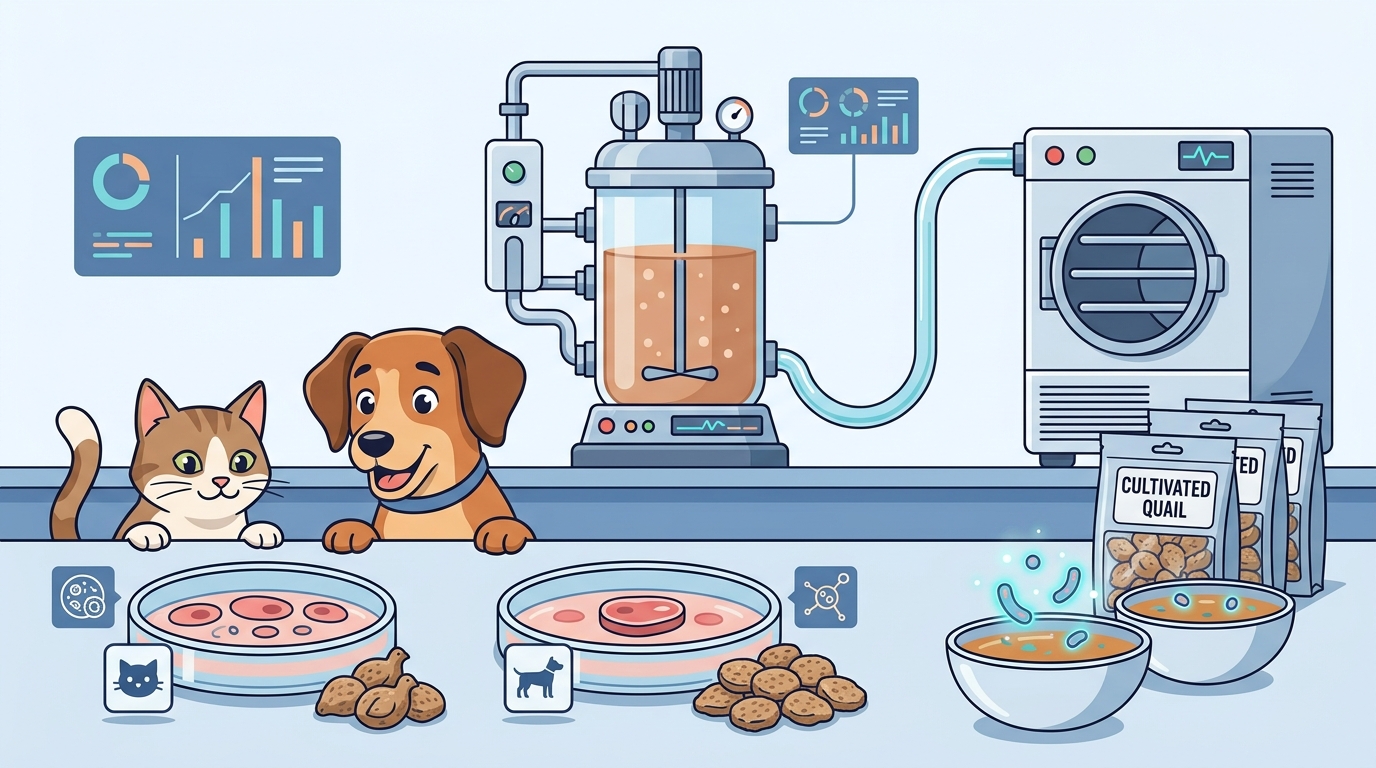
Cultivated meat is an alternative protein source developed to address the sustainability, public health, and animal welfare concerns of conventional meat production. It is real animal tissue produced by taking a small cell sample from a living animal and growing it in nutrient-rich bioreactors. The result is genuine meat, identical at the cellular level to what cats and dogs already eat, without the need for factory farming.
Several companies worldwide are now bringing cultivated pet food to market. Friends & Family Pet Food received regulatory approval from Singapore's Animal & Veterinary Services (AVS) in 2025, making it the first cultivated meat pet food approved for sale in Asia. The company's freeze-dried treats use human-grade cultivated poultry as the primary ingredient.
Superior Nutritional Profile
One of the most compelling benefits of cultivated treats is the ability to engineer better nutrition at the protein level. Unlike conventional meat, where nutrient content varies based on the animal's diet and conditions, cultivated meat can be optimized for specific nutritional outcomes.
More of What Pets Need
Friends & Family's cultivated meat is designed with higher levels of nutrients like taurine and Omega-3s, plus improved digestibility and nutrient absorption. Taurine is an essential amino acid for cats, and Omega-3 fatty acids support skin, coat, and joint health in both cats and dogs.
Prebiotics and Postbiotics Built In
The company's Kampong Select freeze-dried cultivated snacks include prebiotics and probiotics for gut health and immunity support. Postbiotics are bioactive compounds produced during fermentation that deliver clinically validated benefits for skin, coat, and oral health. This functional approach means fewer separate supplements for your pet.
Potential for Nutritional Enhancement
According to research published in UK Vet Companion Animal, cultivated meat can be both safe for long-term consumption and nutritionally adequate, with several possibilities for nutritional enhancement that could make it superior to its conventional counterpart.
Environmental Benefits
The environmental case for cultivated treats is supported by peer-reviewed research and independent life-cycle assessments (LCAs).
Dramatically Lower Emissions and Land Use
Research estimates cultivated meat pet treats produce approximately 90% less greenhouse gas emissions per unit compared to conventional beef-based pet treats. Producing cultivated meat also requires up to 90% less land and 78 to 96% less water than traditional livestock farming, according to data shared by Friends & Family.
An independent LCA of cultivated pet food by Czech company Bene Meat Technologies found that its product generates at least 84% fewer emissions than beef, with land use reduced by 80 to 97%. These figures align with broader research from GFI Europe, which suggests cultivated meat could reduce air pollution by up to 94%.
A Growing Problem Worth Solving
The global pet food industry is worth around US$100 billion annually and provides a significant income source for intensive farming operations. As trends shift toward human-grade meat in pet food, the environmental footprint is growing. Cultivated treats offer a practical way to break that cycle.
Fewer Contaminants and Better Food Safety
Cultivated meat is produced in sterile, controlled bioreactor environments. This antibiotic-free manufacturing process significantly decreases the risk of spreading food safety pathogens, zoonotic diseases, and resistant bacteria, as noted in peer-reviewed veterinary literature.
Friends & Family's cultivated poultry is produced without antibiotics, hormones, chlorine, or any other additives commonplace in modern factory farming. Many conventional fish-based pet foods also contain ethoxyquin, a preservative with no labelling requirement, which is another reason pet parents are seeking cleaner alternatives.
Animal Welfare Advantages
Cultivated meat is produced from a single cell sample, which means no animals are bred or slaughtered for production. For pet owners who care about the welfare of all animals, this represents a meaningful step forward. Friends & Family frames this clearly: they see two kinds of animals, friends that are wild or farmed animals, and family which are the animals that live with us, and their products aim to benefit both.
Cultivated vs. Conventional Treats: Side-by-Side
| Factor | Cultivated Treats | Conventional Treats |
|---|---|---|
| Protein source | Real animal cells grown in bioreactors | Factory-farmed or rendered animal products |
| Greenhouse gas emissions | Up to 90% lower than beef | High, especially for beef and lamb |
| Land use | Up to 90% less | Extensive grazing and feed-crop land |
| Antibiotics / hormones | None | Commonly used in factory farming |
| Nutrient optimization | Customizable (e.g., taurine, Omega-3s) | Variable, depends on animal diet |
| Contaminant risk | Minimal (sterile production) | Potential pathogens, resistant bacteria |
| Animal welfare | No slaughter required | Billions of animals raised and slaughtered |
Key Takeaways
- Cultivated meat is real animal protein grown from cells, not a plant-based substitute.
- Cultivated treats can be nutritionally optimized with higher taurine, Omega-3s, and better digestibility.
- Environmental research shows up to 90% reductions in emissions, land use, and water compared to conventional beef.
- Sterile bioreactor production eliminates antibiotics, hormones, and common contaminants.
- No animals are slaughtered in the production of cultivated treats.
- Friends & Family Pet Food is the first cultivated meat pet food company approved for sale in Asia.
- Functional ingredients like postbiotics support skin, coat, and oral health without extra supplements.
Frequently Asked Questions
What is cultivated meat pet food?
Cultivated meat pet food is made from real animal cells grown in bioreactors. It delivers the same proteins, amino acids, and fats found in conventional meat without requiring factory farming or slaughter.
Is cultivated meat safe for cats and dogs?
Yes. Cultivated meat is produced in sterile, controlled environments free of antibiotics, hormones, and common pathogens. Peer-reviewed research indicates it can be safe for long-term consumption and nutritionally adequate for pets.
How does cultivated meat reduce environmental impact?
Studies show cultivated meat can produce up to 90% fewer greenhouse gas emissions than beef, use up to 90% less land, and require 78 to 96% less water than traditional livestock farming.
Are cultivated treats available to buy now?
Friends & Family Pet Food received regulatory approval in Singapore in 2025 and is launching freeze-dried cultivated treats for cats and dogs. Check the latest news for availability updates.
What makes Friends & Family's treats different?
Their treats use 99% human-grade cultivated poultry with added prebiotics, postbiotics, and bioavailable trace minerals. They are freeze-dried, free from artificial additives, and inspired by heritage Kampong birds of Southeast Asia.
Do cultivated treats taste different to pets?
Research suggests pets do not perceive a substantial taste difference between cultivated and conventional meat. The cellular composition is effectively identical to traditional animal protein.
Is cultivated meat the same as plant-based pet food?
No. Cultivated meat is genuine animal tissue grown from real cells. Plant-based pet food uses non-animal protein sources like legumes, fungi, or algae. Cultivated meat retains the complete amino acid profile that obligate carnivores like cats require.
Where is cultivated pet food regulated?
Singapore and the United Kingdom have approved cultivated meat for pet food. Friends & Family was the first to receive approval in Asia, and Meatly was the first approved in the UK.
Give Your Pet Better Meat
Ready to upgrade your cat or dog's treats? Get in touch with Friends & Family Pet Food to learn about their cultivated freeze-dried treats and be among the first pet parents in Singapore to try a truly better protein for your furry family member.