

Cultivated Meat Treats for Dogs and Cats: What Pet Parents Need to Know
Cultivated meat is one of the most exciting developments in pet nutrition. Instead of relying on conventional factory farming, this technology grows real animal protein from cells in a controlled environment. The result is genuine meat that is safer, more sustainable, and can even be nutritionally enhanced for your pet. Whether you have a dog, a cat, or both, cultivated meat treats offer a way to feed your companion high-quality protein while reducing your household's environmental footprint. This guide covers how cultivated meat works, why it matters for pets, and which products are already on the market.
What Is Cultivated Meat?
Cultivated meat is real animal protein produced by growing animal cells in a bioreactor rather than raising and slaughtering livestock. According to the Good Food Institute, cells are fed a nutrient-rich culture medium containing amino acids, glucose, vitamins, and growth factors. The end product is genuine meat at the molecular level, not a plant-based imitation.
A bioreactor is a controlled vessel, sometimes called a cultivator, where cells multiply at high densities and volumes. The entire process typically takes two to eight weeks depending on the type of meat being produced.
How Cultivated Meat Is Made
Cell Collection
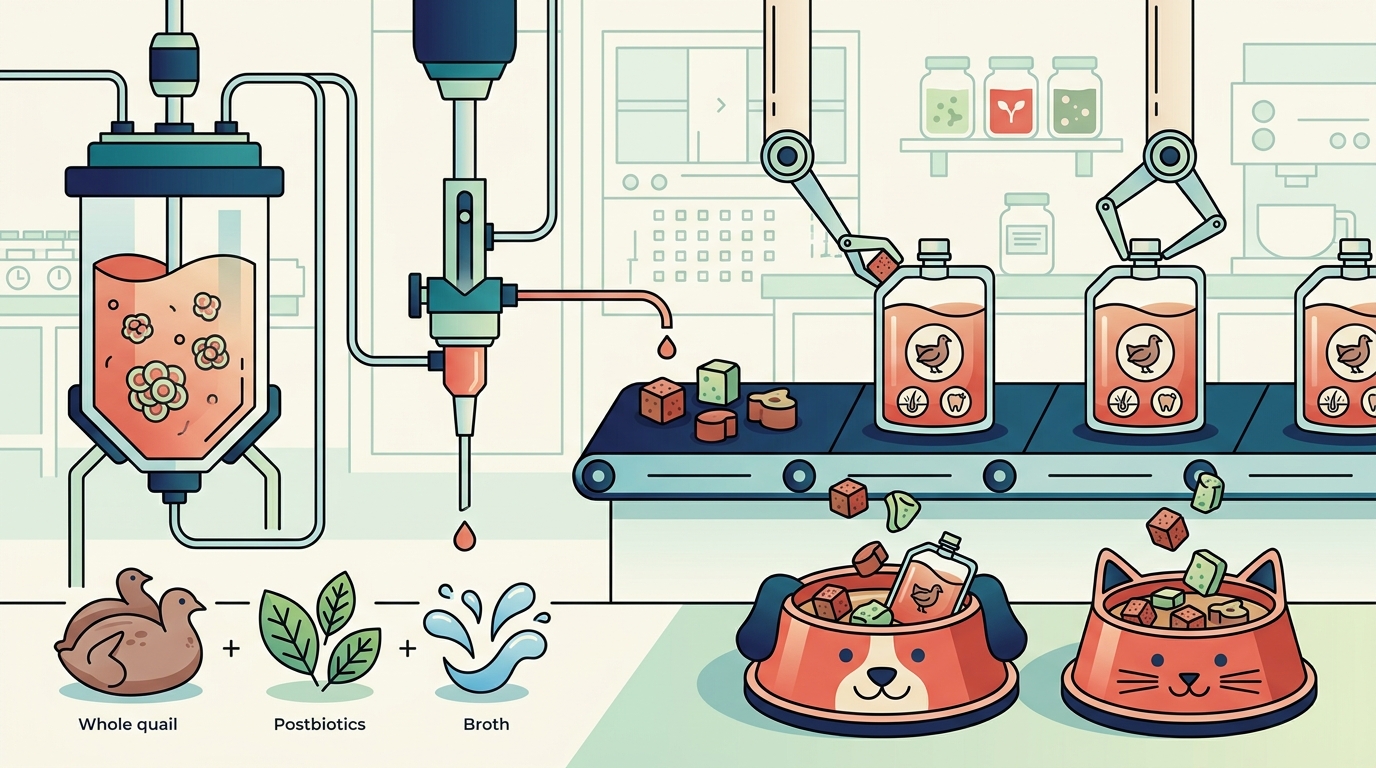
The process begins with a small sample of stem cells taken from a living animal. This biopsy is harmless and does not require slaughter. The cells are then placed in a nutrient-rich broth that encourages them to multiply.
Growth and Differentiation
Inside the bioreactor, immature cells differentiate into muscle and fat tissues. By adjusting the medium composition, producers can influence the nutritional profile of the final product, adding higher concentrations of nutrients like taurine and Omega-3 fatty acids.
Harvesting and Formatting
Once the cells have matured, they are harvested and processed into pet-friendly formats such as freeze-dried treats, broths, or wet food. Companies like Friends & Family Pet Food use freeze-drying to preserve nutrient density and extend shelf life without artificial preservatives.
Benefits of Cultivated Meat Treats for Dogs and Cats
Cultivated meat is not simply a substitute for conventional protein. It can actually be engineered to be nutritionally superior. Friends & Family Pet Food aims to improve the underlying protein source in pet foods by optimizing cultivated meat for pets' specific nutritional needs, including higher levels of taurine and Omega-3s and improved digestibility.
Nutritional Enhancement
Because producers control the growth environment, they can increase beneficial nutrients and reduce unwanted contaminants like antibiotics, hormones, and heavy metals. Traditional fish-based pet foods, for example, may contain ethoxyquin, a preservative that is not always disclosed on labels.
Hypoallergenic Potential
Allergen-free claims in pet food grew from 8% to 13% of new launches between 2024 and 2025, according to PetfoodIndustry.com. Cultivated meat, produced in a sterile environment, can offer a cleaner protein option for pets with food sensitivities.
| Factor | Cultivated Meat | Conventional Meat |
|---|---|---|
| Antibiotics / Hormones | None required | Commonly used |
| Nutrient Customization | Adjustable (e.g., higher taurine) | Fixed by animal diet |
| Land Use | Up to 90% less | High |
| Water Use | 78-96% less | High |
| GHG Emissions | ~90% lower per unit | Significant |
| Contamination Risk | Minimal (sterile production) | Higher (supply chain exposure) |
Sustainability and Environmental Impact
Pet food accounts for roughly 20% of meat produced globally, a share that drives substantial greenhouse gas emissions. Cultivated meat addresses this directly. According to Friends & Family Pet Food's research, cultivated meat pet treats produce approximately 90% less greenhouse gas emissions per unit compared to conventional beef-based pet treats, while requiring up to 90% less land and 78-96% less water.
A postbiotic is a beneficial compound produced by probiotic bacteria during fermentation. Friends & Family combines cultivated meat with clinically validated postbiotics to support skin, coat, and oral health, creating treats that are good for pets and the planet.
The Cultivated Pet Food Market in 2025-2026
The cultivated meat pet food sector has hit several milestones recently. In February 2025, UK-based Meatly became the first company in the world to sell cultivated meat for pets with its limited-release Chick Bites dog treats. In July 2025, Friends & Family Pet Food received regulatory approval from Singapore's Animal & Veterinary Services to commercially sell cultivated meat-based pet food, becoming the first cultivated meat pet food approved for sale in Asia.
Consumer sentiment is increasingly positive. A 2023 Bond Pet Foods survey found nearly 35% of pet owners would consider feeding cultivated meat to their pets, while a 2026 industry report puts that figure at 36%. The global pet food market is growing 7% per annum and is expected to be worth over $150 billion by 2026.
What to Look for in Cultivated Meat Pet Treats
Not all cultivated pet treats are created equal. Here is what to evaluate before choosing a product for your dog or cat:
- Protein percentage: Look for treats where cultivated meat makes up the majority of ingredients. Friends & Family's Kampong Select cat treats contain 99% cultivated, human-grade meat.
- Functional ingredients: Prebiotics, probiotics, and postbiotics add digestive and immune support beyond basic nutrition.
- Format: Freeze-dried treats retain more nutrients than heavily processed kibble formats.
- Regulatory approval: Ensure the product has been reviewed and approved by a recognized food safety authority.
- Transparency: Reputable brands disclose sourcing, production methods, and nutritional analysis on their packaging or website.
Key Takeaways
- Cultivated meat is real animal protein grown from cells, not a plant-based alternative.
- The production process uses up to 90% less land and 78-96% less water than conventional farming.
- Producers can customize nutrient profiles, increasing taurine, Omega-3s, and digestibility for pets.
- Friends & Family Pet Food is the first cultivated meat pet food approved for sale in Asia, based in Singapore.
- Consumer willingness to try cultivated meat pet food has grown to 36% and is rising.
- Look for high meat content, functional ingredients like postbiotics, and proper regulatory approval when choosing treats.
- Cultivated meat treats are available for both dogs and cats in formats including freeze-dried snacks and broths.
Frequently Asked Questions
What exactly is cultivated meat pet food?
Cultivated meat pet food is made from real animal cells grown in a bioreactor. The cells are fed nutrients and allowed to multiply into muscle and fat tissue, producing genuine meat without traditional animal farming.
Is cultivated meat safe for my dog or cat?
Yes. Cultivated meat is produced in sterile conditions and must pass rigorous safety reviews before it can be sold. Friends & Family Pet Food, for example, received approval from Singapore's Animal & Veterinary Services before commercializing its products. Visit the Friends & Family FAQ page for more details.
How is cultivated meat different from plant-based pet food?
Plant-based pet food uses ingredients like soy, peas, or lentils to approximate meat. Cultivated meat is actual animal protein at the cellular level, providing the same amino acid profile that dogs and cats need, including essential nutrients like taurine.
Which companies sell cultivated meat treats for pets?
Several companies are now active in this space. Friends & Family Pet Food sells freeze-dried cultivated quail treats and broths in Singapore. Meatly launched cultivated chicken dog treats in the UK in early 2025. FORZA10 introduced the first complete-and-balanced cultivated meat wet dog food at Interzoo 2026.
Are cultivated meat treats more expensive than regular treats?
Currently, cultivated meat treats are priced at a premium due to production scale. However, costs are falling rapidly as bioreactor technology improves, and industry experts expect cultivated meat to reach cost parity with conventional ingredients within five years.
Can cultivated meat help with pet allergies?
Potentially, yes. Because cultivated meat is produced in a controlled, sterile environment free from antibiotics, hormones, and common contaminants, it may be suitable for pets with food sensitivities. Allergen-free pet food claims are a fast-growing category in the industry.
Where can I buy cultivated meat pet treats?
Availability depends on your region and local regulations. In Singapore, you can purchase from Friends & Family Pet Food. In the UK, Meatly products have been available through select retailers. The market is expanding rapidly across Asia, Europe, and North America.
Does cultivated meat taste the same to pets?
Yes. In BeneMeat's Try & Share trial across 25 European countries, nearly 88% of participating dog owners reported their dogs liked cultivated meat treats, and over 83% rated them as good as or better than conventional options.
Ready to Try Cultivated Meat Treats for Your Pet?
Explore the full range of freeze-dried cultivated treats and postbiotic broths from Friends & Family Pet Food. Made in Singapore with 99% human-grade cultivated meat, these treats are designed for your pet's best health.
Get in touch with Friends & Family Pet Food to learn more or place your first order.