
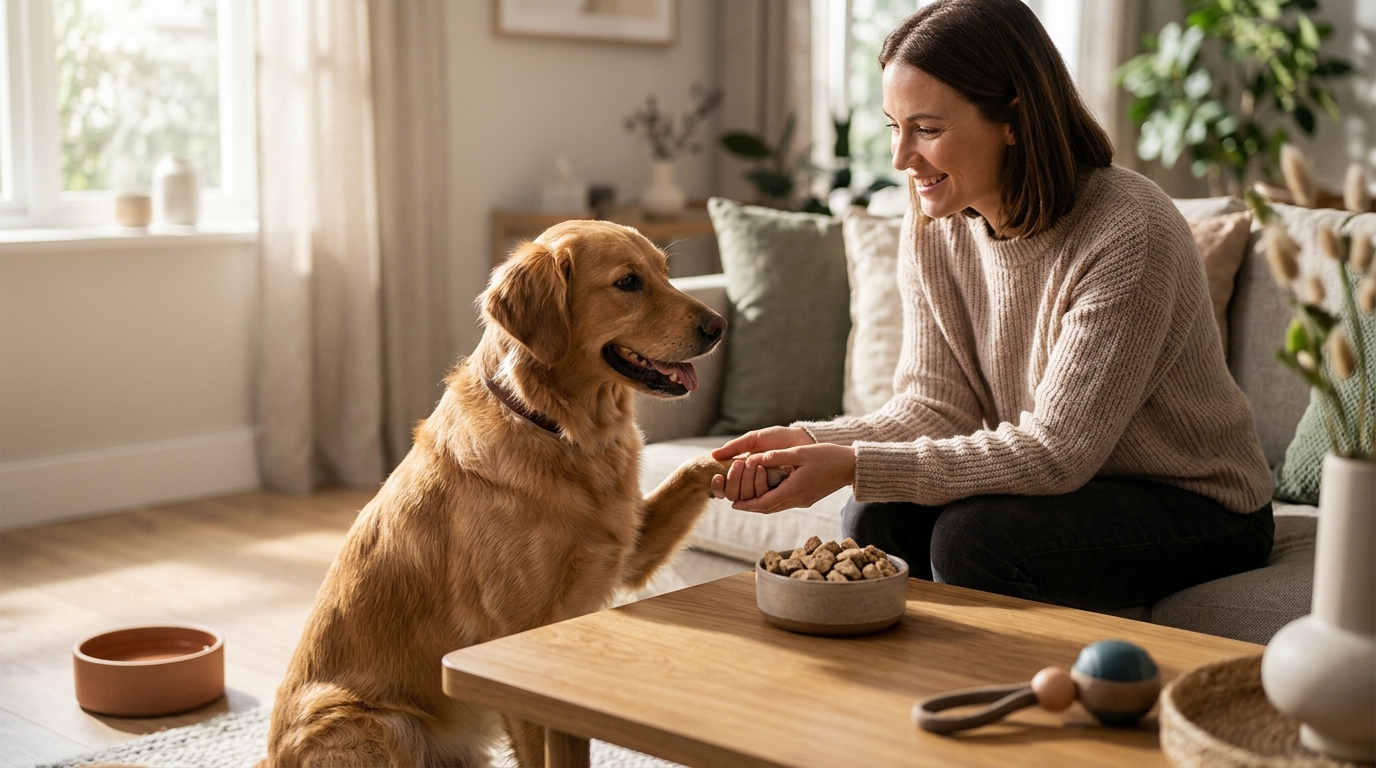
Digestive issues are among the most common reasons pet owners visit the vet, yet many solutions start right in the food bowl. From choosing highly digestible proteins to adding prebiotics and postbiotics, small dietary shifts can make a big difference to your cat or dog's gut health. A healthy gut does more than prevent upset stomachs. It supports immunity, nutrient absorption, skin and coat condition, and even mood. In this guide, we walk through evidence-backed, natural ways to improve your pet's digestion, so you can keep tails wagging and purrs rumbling.
Why Gut Health Matters for Cats and Dogs
The gut microbiota plays a vital role in companion animal health, influencing digestion, immune regulation, and metabolic homeostasis. An imbalanced gut microbiota, often called dysbiosis, has been linked to digestive disorders, inflammatory diseases, and metabolic disturbances. That is why optimising gut health should be a priority, not an afterthought.
Around 70 percent of your pet's immune system resides in the gastrointestinal tract. When the gut lining is compromised, allergens and pathogens can pass through more easily, triggering skin issues, food sensitivities, and chronic inflammation. Supporting digestion naturally means working with your pet's biology rather than against it.
Choose a Highly Digestible Protein Source
Protein digestibility is the percentage of protein your pet actually absorbs rather than excretes. Low-quality proteins from rendered by-products force the digestive system to work harder and can contribute to loose stools, gas, and nutrient deficiencies.
Why Cultivated Meat Stands Out
Cultivated meat is real animal protein grown from cells without factory farming. Friends & Family Pet Food optimises its cultivated poultry to deliver higher levels of taurine and Omega-3s along with improved digestibility and nutrient absorption. Because the meat is produced in controlled conditions, it is free from antibiotics, hormones, and chlorine that are commonplace in conventional farming.
Heritage-Inspired Nutrition
Friends & Family's Kampong Select freeze-dried cultivated snacks draw inspiration from heritage Kampung birds of Southeast Asia. The meat is lean, protein-forward, and naturally rich in iron, zinc, vitamin B12, and selenium, nutrients that support both digestion and overall vitality.
Prebiotics, Probiotics, and Postbiotics Explained
Understanding the three "biotics" helps you make informed choices about your pet's diet.
| Biotic Type | Definition | Role in Digestion | Stability in Pet Food |
|---|---|---|---|
| Prebiotics | Non-digestible fibres that feed beneficial gut bacteria | Promote growth of good bacteria; increase short-chain fatty acid production | High; heat-stable |
| Probiotics | Live microorganisms that confer health benefits when consumed in adequate amounts | Restore microbial balance; crowd out harmful bacteria | Low; often destroyed during kibble processing |
| Postbiotics | Preparations of inactivated microorganisms and/or their components that confer health benefits | Strengthen intestinal barrier; modulate immune response | High; survive harsh processing |
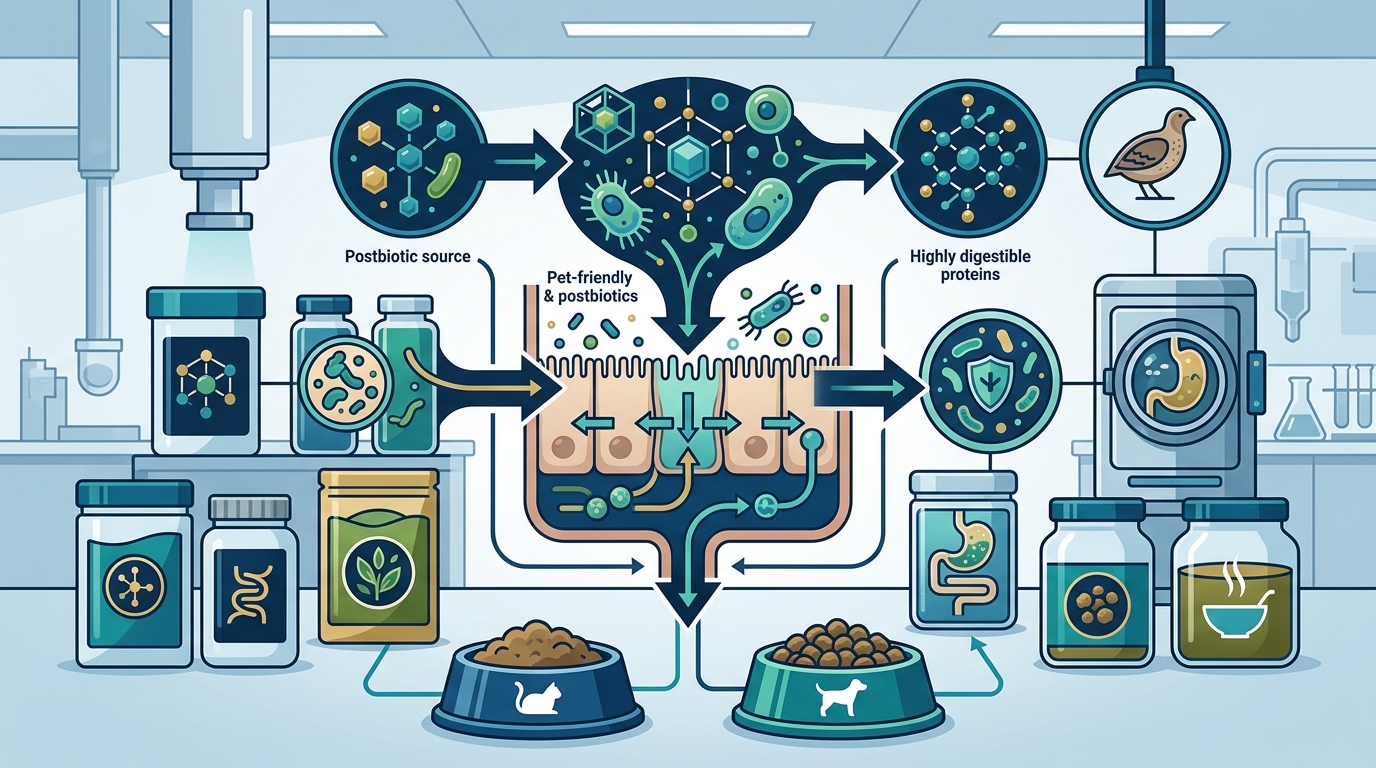
Prebiotics are dietary fibres that serve as food for beneficial gut bacteria. Probiotics are live microorganisms that confer health benefits to the host when administered in adequate amounts. Postbiotics are preparations of inactivated microorganisms and their components that confer a health benefit, as defined by the ISAPP in 2021.
The Postbiotic Advantage for Pets
One practical challenge with probiotics in pet food is that live bacteria often do not survive the heat and pressure of manufacturing. Postbiotics sidestep this problem entirely because they are already inactivated yet retain their beneficial bioactive compounds.
What the Science Shows
A 2026 randomised, double-blind, placebo-controlled study published in Pets found that a postbiotic supplement significantly improved stool quality in dogs with consistently loose stools (p = 0.03) over 28 days, while also shifting gut microbial composition across sixteen taxa. Research in Frontiers in Microbiology further supports postbiotic use in cats, finding improvements in gastrointestinal and immune health markers.
Postbiotics in Friends & Family Products
Friends & Family's treat line includes formulations with clinically validated postbiotics for skin, coat, and oral health, as well as prebiotic fibres proven to optimise gut health and immunity. Their Skin & Coat Glow variant, for example, pairs nutritional yeast with postbiotics to deliver visible results pet owners can actually see.
Fibre and Hydration: The Unsung Heroes
Adequate fibre adds bulk to stool and feeds beneficial gut bacteria, while proper hydration keeps the digestive tract moving smoothly. Bone broths and moisture-rich toppers are simple ways to increase water intake, especially for cats that are notoriously poor drinkers.
Adding a splash of nutrient-dense broth to your pet's meal can encourage hydration and deliver additional amino acids like glycine and proline. Explore common questions about pet nutrition on the Friends & Family FAQ page for more guidance.
How to Transition Food Safely
Abrupt diet changes are one of the most common triggers of digestive upset. Follow this simple seven-day plan:
- Days 1 to 2: 75% current food, 25% new food
- Days 3 to 4: 50/50 mix
- Days 5 to 6: 25% current food, 75% new food
- Day 7: 100% new food
If your pet shows signs of soft stool or reduced appetite, slow the transition by an extra day or two at each stage. Always consult your veterinarian before making significant dietary changes, particularly for pets with existing health conditions. Learn more about the science behind Friends & Family's approach to nutritionally superior pet food.
Key Takeaways
- A healthy gut microbiome supports digestion, immunity, skin health, and nutrient absorption in cats and dogs.
- Highly digestible, clean protein sources like cultivated meat reduce digestive strain and deliver more bioavailable nutrients.
- Postbiotics are shelf-stable and survive pet food processing, unlike many probiotics.
- Clinical studies show postbiotics can improve stool quality and shift gut microbiota composition in as little as 28 days.
- Prebiotic fibres feed beneficial bacteria and increase short-chain fatty acid production for a balanced gut environment.
- Gradual food transitions over seven days help prevent digestive upset.
- Hydration through broths and moisture-rich toppers supports smooth digestive function, especially in cats.
Frequently Asked Questions
What are the signs of poor digestion in pets?
Common signs include chronic loose stools, excessive gas, vomiting, reduced appetite, and a dull coat. If symptoms persist for more than 48 hours, consult your veterinarian.
What is a postbiotic?
A postbiotic is a preparation of inactivated microorganisms and their components that confers a health benefit to the host. Unlike probiotics, postbiotics do not contain live bacteria, which gives them greater stability in pet food products.
Can I give my pet prebiotics and postbiotics together?
Yes. Combining prebiotics and postbiotics can offer complementary digestive benefits. A 2026 study in healthy dogs found that a prebiotic-postbiotic supplement promoted positive changes in gut inflammation markers and beneficial bacteria levels.
How does cultivated meat improve pet digestion?
Cultivated meat can be optimised for higher nutrient density and improved digestibility. Friends & Family's cultivated poultry is produced without antibiotics or hormones, resulting in a cleaner protein that is easier on the digestive system.
How long does it take to see digestive improvements?
Many pet owners notice firmer stools and improved energy within two to four weeks of dietary changes. Clinical postbiotic studies have documented measurable improvements in stool quality within 28 days.
Are Friends & Family treats suitable for cats and dogs?
Yes. Friends & Family offers separate freeze-dried cultivated snack formulations designed specifically for cats and for dogs, each with species-appropriate nutrition profiles.
Is cultivated meat safe for pets?
Friends & Family received regulatory approval from Singapore's Animal & Veterinary Services (AVS) to commercially sell cultivated meat-based pet food, making it the first such approval in Asia. All manufacturing is local to Singapore.
Give Your Pet's Gut a Natural Upgrade
Ready to support your pet's digestion with protein that is optimised from the cell up? Visit Friends & Family Pet Food to explore cultivated meat treats and broths formulated with prebiotics and clinically validated postbiotics. Your pet's gut will thank you.